Wondering how to price a historic Queen Anne home without leaving money on the table or scaring off serious buyers? That question matters more than ever in a neighborhood where charm, views, and architectural character can create real value, but only when the pricing is grounded in facts. If you are preparing to sell, this guide will help you understand what actually drives price for historic Queen Anne homes and how to position your property with confidence. Let’s dive in.
Why pricing is different in Queen Anne
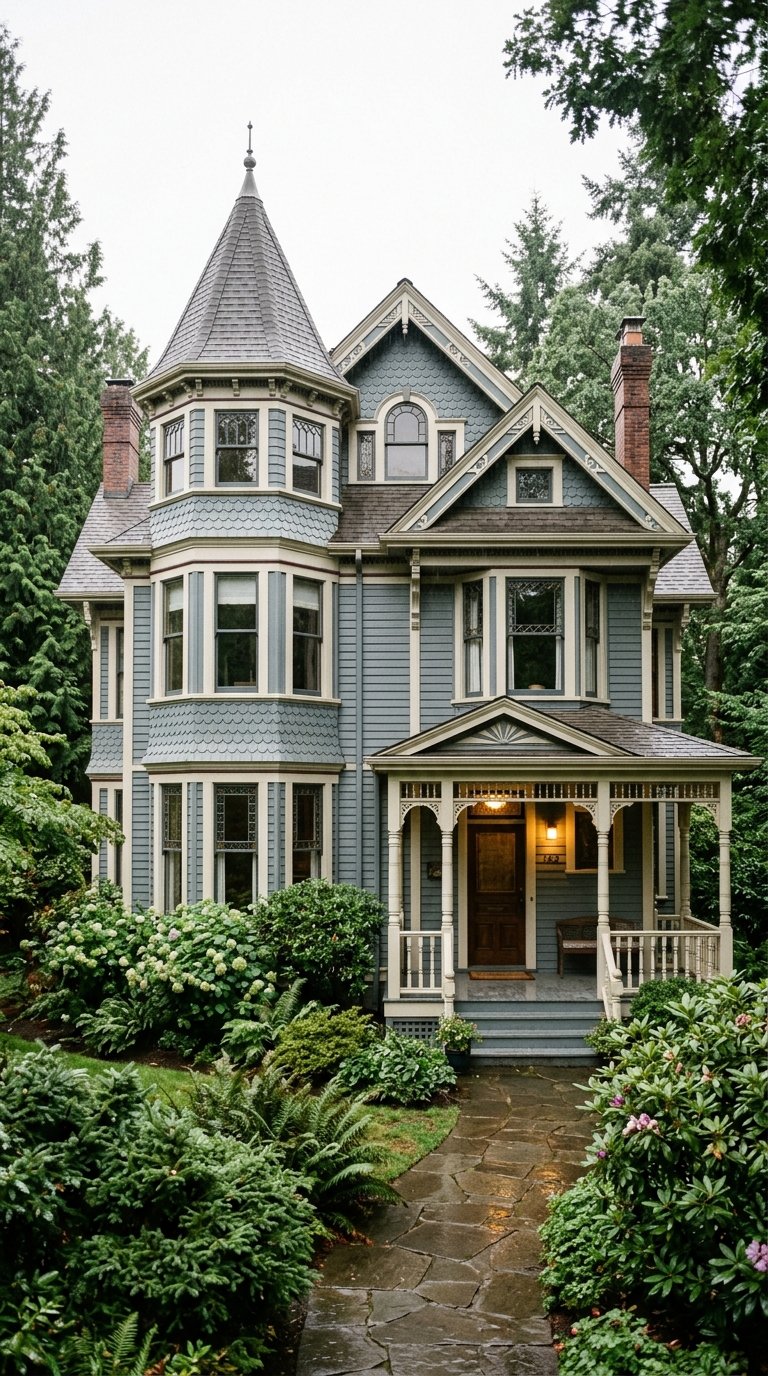
Queen Anne is not a cookie-cutter market. Seattle’s historic context describes the hill as a distinctive, highly desirable historic community with standout views, and features like Queen Anne Boulevard help define its long-standing character.
That setting supports a premium, but it does not guarantee one. Over the three months ending May 2026, Queen Anne’s median sale price was $1,035,652, compared with $940,000 in Seattle and $920,000 in King County. Median days on market in Queen Anne were 20, which shows buyers are active, but not careless.
The local numbers also show why precision matters. About 21.8% of Queen Anne homes sold above list price, while 29.7% had price drops. In other words, some homes capture strong demand quickly, but many still miss the mark on day one.
Start with condition, not just character
Historic details can absolutely attract buyers. Original millwork, period architecture, and a strong street presence often make a Queen Anne home memorable the moment someone walks in.
Still, buyers do not pay top dollar for history alone. Research on residential value shows that condition affects price on its own, separate from other features like views. A well-kept home with updated systems and thoughtful improvements will usually earn a stronger response than a similar home with deferred maintenance.
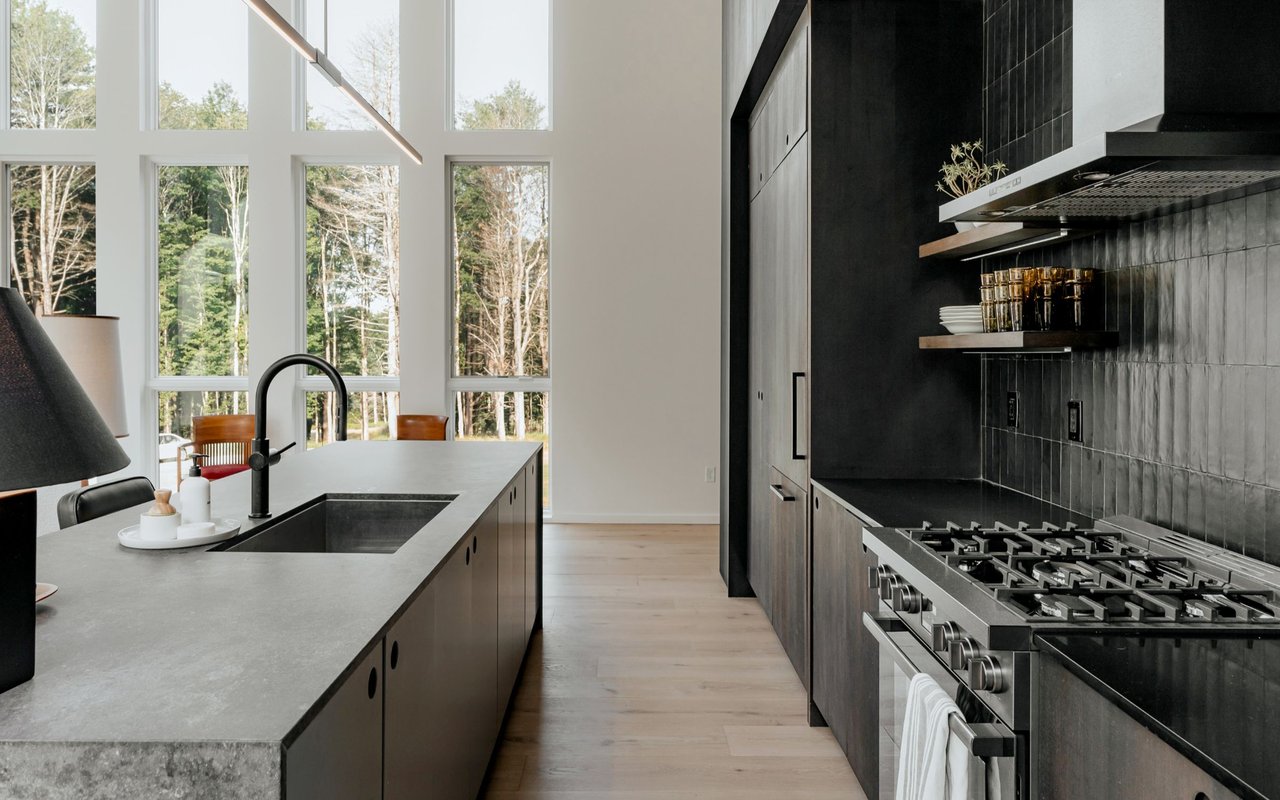
That is why sellers should look honestly at the full picture before setting a list price. Buyers tend to notice roofing, windows, electrical, plumbing, kitchens, baths, and whether past remodels feel consistent with the home’s layout and era.
What buyers tend to weigh most
- Overall maintenance and repair needs
- Age and condition of major systems
- Quality of kitchen and bath updates
- Whether renovations feel cohesive with the home
- Move-in readiness versus future project costs
If your home has preserved character and strong condition, that combination can support a premium. If it has beautiful details but clear repair needs, the pricing should reflect the work a buyer will likely budget after closing.
Permitted work can strengthen pricing
In a historic home, documentation matters. Seattle’s SDCI recommends researching permit history through its Permit & Site History Research Tool and Seattle Services Portal, with older records sometimes available through the microfilm library.
For pricing, this is more than paperwork. Documented improvements are easier for buyers to trust and easier to support in a comparative market analysis. If you can show approved updates, your price becomes more defensible.
Undocumented work can create hesitation, even in a strong neighborhood. If buyers are unsure whether changes were properly permitted or whether a use was ever formally established, they may discount the home for uncertainty.
Helpful records to gather before listing
- Permit history for major remodels or additions
- Invoices or summaries for major system upgrades
- Dates for roof, plumbing, or electrical work
- Plans or approvals for exterior changes
- Any records that clarify long-standing use of the property
A clean documentation package does not automatically raise value, but it often supports buyer confidence. In a nuanced market like Queen Anne, confidence can help protect your asking price.
Landmark status can affect buyer demand
Some Queen Anne properties come with another layer of complexity. If a home is a City landmark or located within one of Seattle’s historic districts, exterior work may require a Certificate of Approval before work begins.
Seattle’s Historic Preservation program notes that, in some cases, approval may be required even when another city permit is not. It also warns that unapproved work can lead to a stop-work order and possible removal or repair at the owner’s expense if approval is denied.
That does not make a landmarked home less valuable by default. It does mean buyers may evaluate future flexibility differently, especially if they were hoping to change windows, alter exterior details, or expand the structure.
How this affects pricing strategy
- Highlight what is special and well-preserved about the home
- Be clear about any review or approval considerations
- Avoid assuming every buyer will pay extra for restrictions
- Use comps that reflect similar preservation context when possible
The key is transparency. When buyers understand both the appeal and the process, they are better able to assess value without building in an oversized risk discount.
Views can justify a premium, but not a guess
Views are a major part of Queen Anne’s identity. Elevated sites, slope orientation, and open outlooks often shape how a home feels and how buyers respond to it.
Appraisal research supports what many sellers already suspect: scenic views can add real value. But the premium is highly specific to the quality of the view and the property’s relationship to that view corridor.
That means not all views should be priced the same. A wide, protected, unobstructed view will likely be treated differently than a partial or seasonal glimpse. The right premium should come from comparable sales, not from a flat assumption.
View factors that can influence value
- Width and openness of the outlook
- Whether the view feels protected or vulnerable to change
- Visibility from primary living spaces
- Elevation and siting on the lot
- How the view compares with competing listings
In practical terms, a great view can separate your home from the pack. But the market still wants proof.
Use tight comps, not broad averages
One of the biggest pricing mistakes in historic neighborhoods is relying too much on neighborhood-wide averages. Queen Anne is a premium submarket, but the spread between properties can be wide.
Recent sales illustrate that point. One 1,860-square-foot home on Queen Anne Avenue N sold 3% over list in 13 days, while another Queen Anne-area condo sold 3% under list after 94 days. That gap shows how differently buyers can respond based on product type, presentation, and pricing.
For a historic Queen Anne home, the most useful comps are usually matched on more than size and age. Micro-location, lot position, view quality, architectural style, level of permitted updating, and preservation status often matter just as much.
The best comp set usually matches for
- Nearby micro-location within Queen Anne
- Similar architectural style and age range
- Comparable lot size and siting
- Similar view quality
- Similar level of updating and condition
- Similar historic or landmark context
Broad market data still matters, but it should be the backdrop, not the final answer. Your list price should come from the homes buyers will actually compare side by side with yours.
Price for the first two weeks
The first list price sends a message. In a neighborhood like Queen Anne, that message is about quality, credibility, and whether your home belongs on a buyer’s first tour list.
Seattle and King County both showed average market times in the mid-20-day range in Q2 2026, and King County inventory was up 13% year over year. That means buyers generally have more choice than they did during the fastest recent market cycles.
When inventory is healthier, overpricing becomes more visible. Buyers may still love the house, but they are less likely to stretch for a listing that feels uncertain or out of line with recent sales.
A disciplined strategy aims to capture early attention while your listing is still fresh. In Queen Anne, where hot homes can go pending in around 6 days, that early window matters.
What a smart pricing strategy should do
A strong pricing plan for a historic Queen Anne home should balance emotion with evidence. It should recognize the value of architecture, setting, and view potential while staying honest about condition, approvals, and buyer risk.
That usually means answering four questions before the home hits the market:
- Does the home’s original character stand out in a way buyers will pay for?
- Are updates documented, permitted, and consistent with the home?
- Is the view quality strong enough to justify a meaningful premium?
- Could landmark or review constraints narrow the likely buyer pool?
If those answers are clear and supported by a tight comp set, pricing becomes much easier to defend. If they are not, the right strategy may be a more conservative launch price that protects momentum and reduces the chance of a later price drop.
Why strategy matters for sellers
Historic homes often create an emotional reaction, which is part of their appeal. But buyers still make financial decisions based on tradeoffs, and pricing needs to reflect how those tradeoffs show up in the market.
That is where a consultative approach matters. The goal is not simply to pick a number. The goal is to read the neighborhood correctly, frame the home’s strengths clearly, and launch at a price that attracts serious interest from qualified buyers.
For Queen Anne sellers, that often means combining disciplined analysis with strong presentation. When pricing, positioning, and storytelling work together, a historic home has a much better chance of standing out for the right reasons.
If you are thinking about selling a historic home in Queen Anne, a careful review of condition, documentation, views, and truly comparable sales can make a measurable difference. To talk through a pricing strategy built for your property and the current market, connect with Adam Bradley.
FAQs
How should you price a historic home in Queen Anne, Seattle?
- Focus on recent Queen Anne comps with similar micro-location, condition, view quality, architectural style, and permitted updates rather than relying on neighborhood averages alone.
Do original details increase value in a Queen Anne historic home?
- Original details can support a premium, but buyers still weigh condition heavily, including systems, maintenance, and the quality of past renovations.
Why does permit history matter when selling a historic Seattle home?
- Permit history helps document approved improvements, which can make your asking price easier to support and reduce buyer uncertainty about past work.
Can landmark status affect the price of a Queen Anne home?
- Yes. Landmark or historic district review requirements can influence how buyers view future exterior changes, which may affect demand and pricing strategy.
Do views always add value to a Queen Anne property?
- Views can add meaningful value, but the premium depends on the quality, openness, and location of the view and should be supported by comparable sales.
Why do some Queen Anne homes need price reductions?
- Queen Anne remains a premium market, but price drops are still common when a home is launched above what buyers can justify based on condition, documentation, views, and competing listings.