If you are selling a Queen Anne view home, you are not just listing square footage and bedroom count. You are bringing a specific Seattle story to market: architecture, elevation, light, and the kind of outlook that has shaped this neighborhood for generations. To reach the right buyers, you need more than basic exposure. You need a pricing and marketing plan that speaks to local, regional, and global demand. Let’s dive in.
Queen Anne Is a Distinct View Market
Queen Anne has long stood apart in Seattle because of its steep topography, close-in location, and sweeping territorial and water views. Seattle’s historic context notes that these views helped make the hill an early residential suburb and continue to support real estate value today. That matters when you market a home, because buyers are often responding to more than the structure itself.
In practical terms, a Queen Anne view property is rarely interchangeable with a typical in-city listing. The setting, outlook, and architectural character often become part of the home’s value story. For sellers, that means your marketing should present the home as a complete living experience, not just a set of specs.
Queen Anne Has Multiple Buyer Lanes
One of the biggest mistakes in this neighborhood is treating Queen Anne like a single price band. Realtor.com reported 219 homes for sale in March 2026, with a median listing price of $675,000, median 34 days on market, and a 100% sale-to-list ratio. At the same time, RSIR’s Queen Anne market pages show listings from below $1 million to $7.5 million, along with sold examples above $14 million.
That spread tells you something important. Queen Anne functions as several micro-markets at once. A view condo, a classic single-family home, and a trophy property with major skyline or water exposure may all appeal to very different buyers, even when they share the same neighborhood name.
Why Local Buyers Are Only Part of the Story
For many Queen Anne view homes, the likely audience extends well beyond the immediate neighborhood. NWMLS’s 2025 annual review showed that King County had the highest single-family median among counties at $974,900, and the MLS area recorded 2,757 single-family sales at $2 million or more, with 2,287 of those in King County. Within the high-end map areas, Seattle accounted for 24% of $2 million-plus residential home sales and the Eastside accounted for 72%.
That regional pattern matters when you position a Queen Anne listing. Your buyer may already live in Seattle, but they may just as easily come from Bellevue, Kirkland, Mercer Island, or another part of the Puget Sound region. In other words, the strongest buyer for your home may be comparing Queen Anne against other premium submarkets, not just against nearby listings.
Why International Exposure Can Matter
International demand is also relevant for the right property type and price point. NAR’s 2025 international transactions report found that foreign buyers purchased $56.0 billion in U.S. existing homes from April 2024 through March 2025. It also found that 18% bought properties above $1 million and 47% paid all cash.
That does not mean every Queen Anne listing is a global luxury play. It does mean that close-in urban homes, condos, and view properties can benefit from broader visibility, especially when the home offers architecture, outlook, and easy access to downtown Seattle. For some sellers, local MLS exposure is the baseline. The real advantage comes from how the home is packaged and amplified.
Marketing the View, Not Just the Home
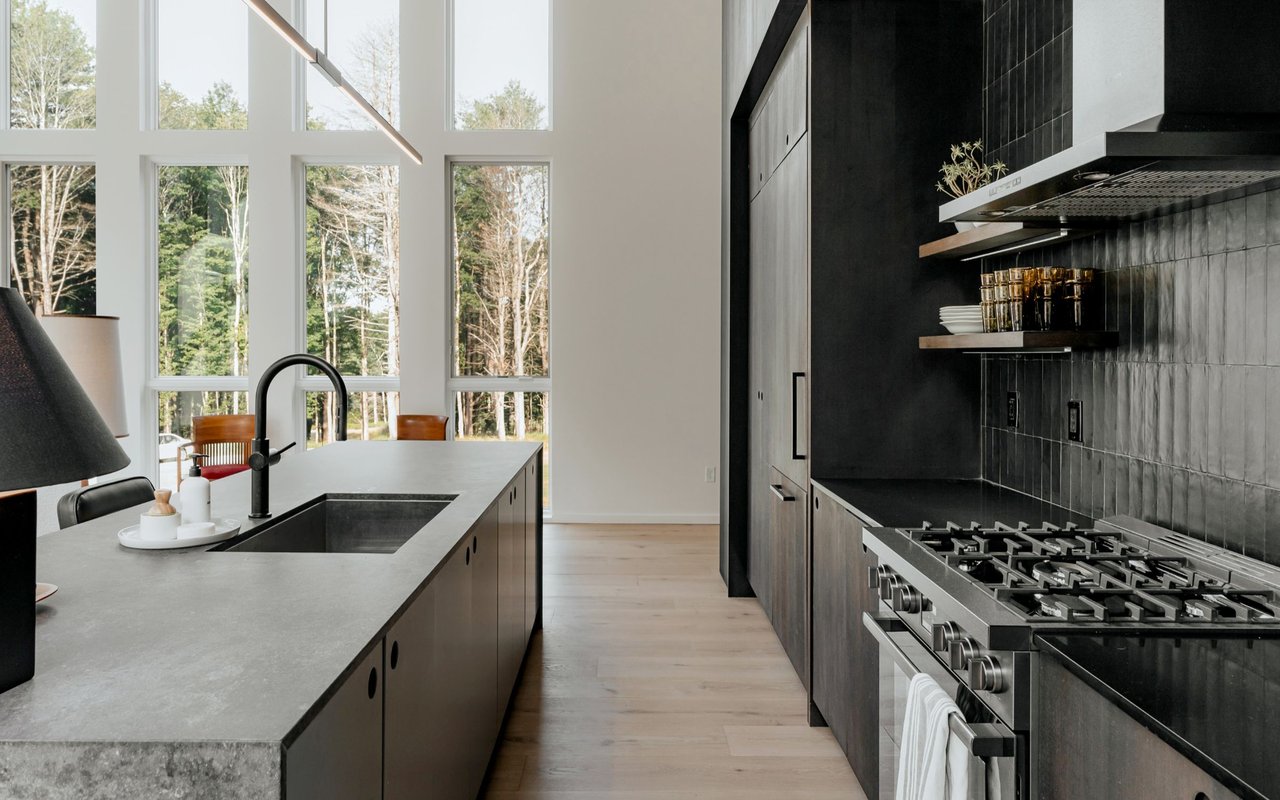
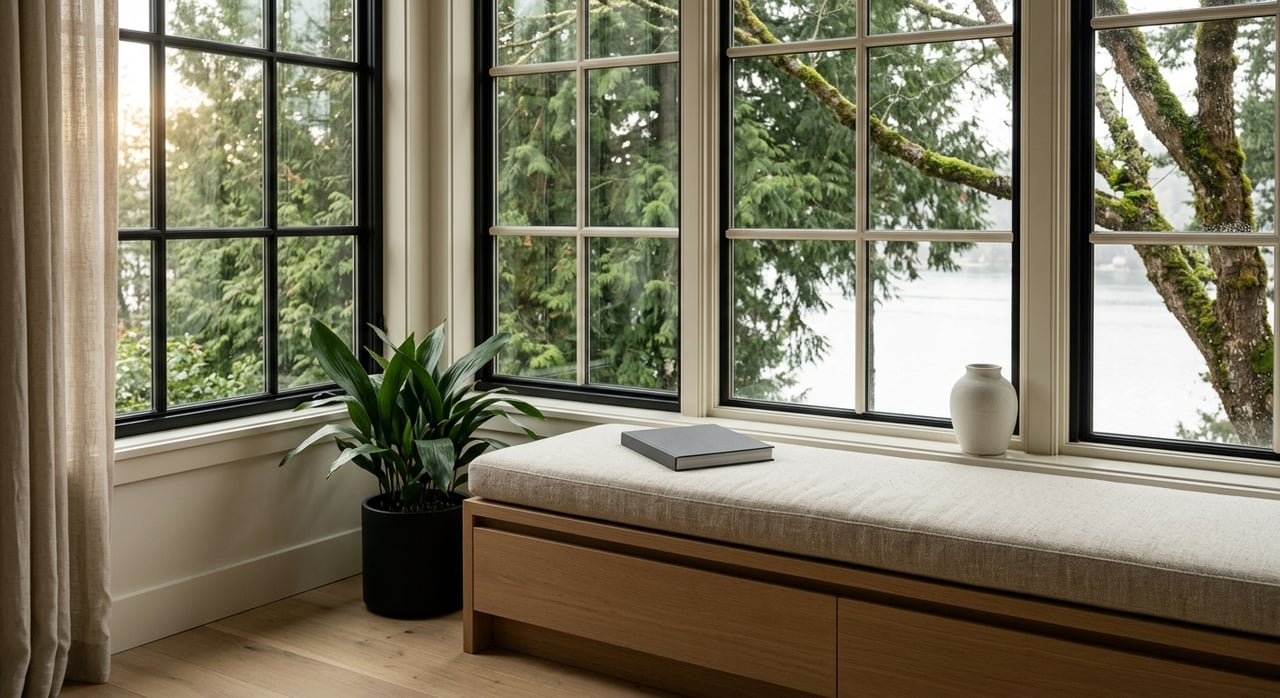
A Queen Anne view home should be marketed as an experience. Buyers are not simply evaluating rooms. They are imagining how it feels to wake up to the skyline, watch changing light over Elliott Bay, or entertain on a deck with city views. If the marketing misses that emotional connection, the home can feel flatter than it really is.
That is why presentation has to be intentional from day one. The goal is to make the view read as one of the home’s primary assets, almost like an additional room.
Staging Should Protect Sightlines
NAR’s 2025 home staging survey found that 83% of buyers’ agents said staging makes it easier for buyers to visualize a future home. The same survey found that photos were important to 73% of clients, physical staging to 57%, videos to 48%, and virtual tours to 43%. It also found that many buyers now expect homes to look as polished as staged homes they see in media.
For Queen Anne sellers, those findings support a more editorial approach to presentation. Furniture should frame windows, not fight them. Visual clutter should be reduced. Window lines should stay open, and each key room should direct the eye toward light, outlook, and scale.
Outdoor Space Can Be a Differentiator
View homes often have decks, terraces, patios, or exterior seating areas that deserve more attention than they usually get. NAR found that outdoor and yard space is staged in only 31% of cases nationally. In a neighborhood where the exterior outlook is part of the value, that can create an opportunity.
If your home has usable outdoor space, it should look clearly functional in photos and in person. A simple, well-composed seating area can help buyers understand how the home lives. That is especially useful when the view is one of the property’s defining features.
Pricing Must Match the Correct Tier
Great marketing cannot fix confused pricing. In a neighborhood as varied as Queen Anne, pricing strategy has to reflect the property’s actual lane rather than the neighborhood median. A well-located condo with partial views, a renovated craftsman, and a signature hillside residence should not be priced or marketed from the same playbook.
NWMLS’s April 2026 snapshot showed active inventory up 28.4% year over year to 18,563 listings, with 3.27 months of inventory across the system. That is still below the 4 to 6 months many observers consider balanced, but it also means buyers have more choice than they did in tighter periods. In that environment, precision matters.
Why Accurate Pricing Still Wins
NWMLS’s 2025 annual review reported that single-family homes across the system closed at 99.6% of list price. That tells you buyers are still paying close to asking when homes are priced well. It also suggests that overreaching can cost momentum, especially as inventory rises.
For a Queen Anne view property, the first question is not “What is the neighborhood average?” The better question is, “What buyer lane fits this home?” Depending on the property, that lane may be:
- A premium neighborhood listing
- A luxury regional listing
- A global trophy-property candidate
That distinction shapes everything from photography and copywriting to media placement and negotiation strategy.
Timing Helps, but Preparation Matters More
Sellers often ask when to list. Seasonal timing does matter, but only if the home is ready. NWMLS’s 2025 annual review found that new listings and pending sales peaked in May, while closed sales peaked in July.
For Queen Anne, that supports a spring launch strategy in many cases. But the calendar is only helpful when pricing, staging, photography, and market positioning are already aligned. If they are not, a high-attention season can expose weak preparation just as quickly as it can reward strong execution.
Local Exposure Is the Baseline
Every listing starts with core market visibility, and that matters. Buyers and their agents need to find the property easily, understand its value quickly, and see professional media that supports the price. In a neighborhood with broad pricing diversity, the basics must be sharp.
But for standout Queen Anne view homes, baseline exposure is not the whole strategy. The right audience may not be actively searching only by neighborhood. They may respond to architecture, lifestyle, design, or a compelling editorial presentation of the home.
Amplification Reaches Regional and Global Buyers
This is where a broader media plan can make a real difference. RSIR’s marketing platform includes print, digital, PR, social media, video, email, retail showrooms, Asia Services Group support, Curate, GeekWire, Apple TV, Home of the Day, Waterfront Report, and RESIDE. RSIR also states that its social campaigns reach more than 1 million people annually, while Home of the Day reaches more than 340,000 affluent Seattle buyers with net worth above $2.4 million.
For sellers, the takeaway is simple. A Queen Anne view home may deserve to be marketed as a story, not just a listing. That kind of storytelling can help your property stand out with affluent owner-occupiers, relocators, and buyers moving within the region.
Global Brand Reach Adds Another Layer
Sotheby’s International Realty reported in March 2026 that its network includes more than 1,100 offices across 86 countries and territories, with US$182.4 billion in 2025 sales volume. RSIR’s global media distribution also includes outlets such as The New York Times, The Wall Street Journal, Financial Times, Mansion Global, YouTube, Dwell, Hong Kong Tatler, Architectural Digest, Bloomberg, and Google.
That does not mean every listing appears everywhere. It does mean sellers can benefit from a platform capable of taking the home beyond local channels when the property and strategy call for it. For the right Queen Anne residence, that wider exposure can help align the listing with the broadest qualified buyer pool.
What This Means for Queen Anne Sellers
If you own a view home in Queen Anne, your marketing plan should reflect the neighborhood’s complexity. This is not a one-size-fits-all market. Some properties need strong neighborhood-level positioning. Others need a luxury regional campaign. A select few may benefit from true global exposure.
The key is disciplined alignment between pricing, presentation, and distribution. When those three pieces work together, your home is more likely to attract serious buyers who understand what makes it special.
Adam Bradley approaches Queen Anne listings with that balance in mind: clear market analysis, polished storytelling, and access to RSIR and Sotheby’s marketing channels that can expand reach far beyond the local baseline. If you are preparing to sell and want a strategy built around your home’s actual buyer pool, Adam Bradley can help you schedule a strategic consultation.
FAQs
How should a Queen Anne view home be priced?
- A Queen Anne view home should be priced within its true market tier, based on its outlook, property type, condition, and likely buyer pool rather than relying on a single neighborhood average.
Why do Queen Anne homes appeal to regional buyers?
- Queen Anne homes often compete for buyers from across Seattle and the Eastside because many higher-end buyers search regionally for lifestyle, architecture, and view quality rather than by one neighborhood alone.
Does staging really matter for a Seattle view home?
- Yes. Staging can help buyers visualize the home more easily, and for a view property it is especially important to preserve sightlines, reduce clutter, and make indoor and outdoor living areas feel usable.
What marketing works best for Queen Anne luxury listings?
- The strongest approach combines local MLS exposure with high-quality photography, video, editorial storytelling, and broader digital and media distribution when the property fits that strategy.
Can international buyers matter for Queen Anne properties?
- Yes, particularly for close-in urban homes, condos, and higher-end view properties that align with buyer interest in central-city locations and premium price points.