Ever wondered why a quick walk in Queen Anne can turn into a skyline moment, a stair workout, and a neighborhood tour all at once? That is part of what makes this Seattle hill neighborhood so memorable. If you are exploring Queen Anne for the first time, or thinking about what daily life here might feel like, the hidden stairways and viewpoints tell you a lot. Let’s dive in.
Why Queen Anne feels different
Queen Anne sits north of downtown on one of Seattle’s most distinct hills, and that steep topography shapes the whole experience of the neighborhood. Local history and planning sources describe the hill, the views, and the route around its crest as core pieces of Queen Anne’s identity.
That scenic character was built into the neighborhood over time. Queen Anne Boulevard was developed as a tree-lined route around the top of the hill, and Seattle Parks describes it as a long green roadway flowing through different parts of Queen Anne. Instead of feeling like a flat, simple grid, the neighborhood often feels stitched together by slopes, curves, stairways, and pockets of open space.
Stairways are part of daily life
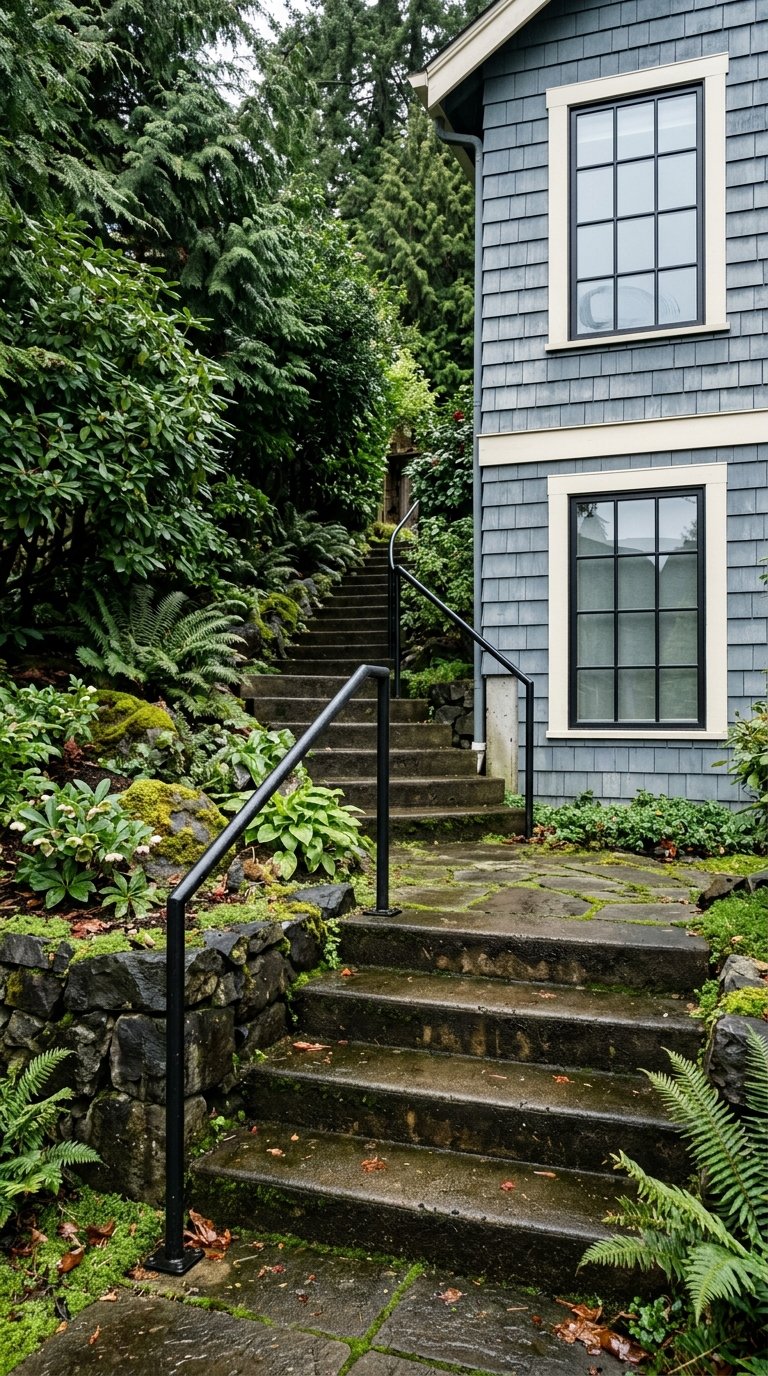
In Queen Anne, stairways are not just a fun detail for weekend walks. They are part of the neighborhood’s public infrastructure and help connect streets, homes, parks, and viewpoints across the hill.
The Queen Anne Historical Society says the neighborhood has more than 120 public stairways. SDOT also notes that Queen Anne has Seattle’s oldest recorded existing stairway, built in 1906 at Sixth Avenue West and West Highland Drive.
That matters because the stairs shape how you move here. A trip for coffee, a walk to a park, or a quick errand can easily include a climb, a descent, or a shortcut that opens up a new view.
What the stairways reveal
The stair network gives Queen Anne a layered feel. Some stairways are long and direct, while others feel tucked into the hillside and almost hidden until you find them.
For many locals and visitors, the stairs also double as exercise routes. The Mountaineers’ Urban Walk on Queen Anne is a 4-mile loop with 26 stairways and about 700 feet of elevation gain, which says a lot about how deeply stairs are woven into the neighborhood. Another Northwest Queen Anne route includes 206 stairs up and 308 down, showing that stair-filled walks can be part of a regular outing, not just a special challenge.
Best-known viewpoints in Queen Anne
If you want the classic Queen Anne view experience, start with the neighborhood’s best-known scenic spots. These landmarks help explain why the hill has long been prized for its outlooks.
Kerry Park views
Kerry Park is the viewpoint most people know, and for good reason. Seattle Parks describes it as offering an unsurpassed view of Elliott Bay and the central city, often with Mount Rainier, ferries, and the Space Needle in sight.
It is a small space, but the visual payoff is huge. If you are trying to understand Queen Anne’s appeal in one stop, this is one of the clearest places to do it.
Bayview-Kinnear below Kerry Park
Just below Kerry Park, Bayview-Kinnear adds another layer to the experience. Often called Lower Kerry Park, it includes lawn space, paths, gathering areas, and play equipment.
Together, the two parks create a classic upper-and-lower viewpoint pairing. One gives you the postcard view, and the other gives you room to linger a bit longer.
Hidden viewpoints worth finding
Queen Anne’s charm is not limited to its famous overlooks. Some of the neighborhood’s most rewarding spots feel quieter and more discovered.
Marshall Park outlooks
Marshall Park sits across from Parsons Gardens and offers views of the sound, along with the Betty Bowen memorial. It feels less like a major tourist stop and more like a neighborhood pause point.
That is part of the appeal. In Queen Anne, a short walk can lead you to a view that feels personal rather than crowded.
Bhy Kracke Park panorama
Seattle Parks describes Bhy Kracke Park as having one of the city’s best views. From the hillside, you can see downtown, Lake Union, the I-5 freeway, and Capitol Hill.
This broader outlook helps show how Queen Anne connects visually to the rest of Seattle. You are not just on a hill. You are in a spot where the city unfolds around you.
Pocket parks and hidden green spaces
Some of Queen Anne’s most memorable places are small. These spaces may not be as widely known as Kerry Park, but they add a lot to the neighborhood’s everyday appeal.
Parsons Gardens
Seattle Parks describes Parsons Gardens as a small hidden gem on Queen Anne’s south slope. It has the kind of tucked-away feel that makes a neighborhood seem full of discoveries.
For someone exploring the area on foot, places like this soften the hill. They create quiet moments between stair climbs, street corners, and wider city views.
Queen Anne P-Patch and Trolley Hill Park
The Queen Anne P-Patch sits at the head of Wolf Creek Ravine and is still described by the city as a hidden garden on top of the hill. It reflects the neighborhood’s mix of residential life, green space, and layered topography.
Trolley Hill Park adds a community P-Patch, picnic area, and natural play area. These smaller spaces help show that Queen Anne is not only about dramatic overlooks. It is also about usable, lived-in outdoor places.
Counterbalance Park
Counterbalance Park is a relatively level pocket park named for the former trolley line. It is designed with crosswalk access in mind, which speaks to the neighborhood’s pedestrian character.
Even a modest park here tells part of the Queen Anne story. The neighborhood blends transportation history, walkability, and public space in ways that feel practical and distinctive.
Walking Queen Anne as a lifestyle
One of the most useful ways to think about Queen Anne is that the hill makes ordinary movement more active. Walking here often means stairs, changing elevation, and unexpected views.
That can shape your daily routine in a positive way if you enjoy being out in the neighborhood. A simple trip can feel more engaging because the route itself has texture, scenery, and variety.
How the commercial core fits in
Upper Queen Anne’s commercial core adds convenience to that active, walkable pattern. Seattle’s Upper Queen Anne design guidelines describe it as an urban village with a mix of housing and neighborhood-serving retail, and they encourage public spaces, plazas, and outdoor café seating.
SDOT’s Queen Anne Avenue North review also describes Upper Queen Anne as a busy business district reached by walking, biking, bus, and car. New street cafés have added more outdoor dining space, reinforcing the neighborhood’s street-level energy.
Recreation and services close by
The neighborhood’s recreation pattern also supports this connected feel. Seattle Parks describes the Queen Anne Community Center as a hub of fun, learning, recreation, and leisure, with the business district just a block away along Queen Anne Avenue.
The same area is near West Queen Anne Playfield and Queen Anne Pool. That closeness between services, recreation, and local businesses helps explain why Queen Anne can feel convenient even with its hills.
A simple way to explore Queen Anne
If you want to experience the neighborhood beyond a quick drive-through, walking is the best approach. Queen Anne reveals itself in layers, and the stairs and viewpoints are a big part of that.
A few good ways to explore include:
- Start at Kerry Park and continue down to Bayview-Kinnear
- Walk near Marshall Park and Parsons Gardens for a quieter hillside feel
- Visit Bhy Kracke Park for a broader city panorama
- Look for stairways that connect residential streets to parks and viewpoints
- Spend time near Upper Queen Anne’s commercial core to see how daily errands and outdoor spaces come together
Why this matters if you are considering Queen Anne
Neighborhood character is not just about home styles or price points. It is also about how a place feels when you live in it, move through it, and spend time outside.
In Queen Anne, the stairways and viewpoints are not side attractions. They are part of the neighborhood’s structure and rhythm. They help explain why the area feels scenic, active, and closely connected to the city around it.
If you are weighing where to buy in Seattle, that kind of lived experience matters. Queen Anne offers a mix of views, walkable pockets, local services, and everyday movement that feels distinct from flatter parts of the city.
If you want help evaluating Queen Anne through both a lifestyle and market lens, connect with Adam Bradley for a strategic consultation.
FAQs
What makes Queen Anne stairways unique in Seattle?
- Queen Anne has more than 120 public stairways, including Seattle’s oldest recorded existing stairway at Sixth Avenue West and West Highland Drive, built in 1906.
Which Queen Anne park has the most famous Seattle view?
- Kerry Park is the best-known viewpoint, with views of Elliott Bay, the central city, the Space Needle, ferries, and often Mount Rainier.
Are Queen Anne stairways used for everyday walking?
- Yes. The stairways function as real neighborhood connectors, linking streets, parks, and daily destinations while also serving as popular exercise routes.
What are some quieter Queen Anne viewpoints to explore?
- Marshall Park, Bhy Kracke Park, Parsons Gardens, the Queen Anne P-Patch, and Trolley Hill Park each offer a more tucked-away experience than the busiest overlook spots.
What does daily life in Upper Queen Anne feel like?
- Upper Queen Anne combines neighborhood-serving retail, cafés, public spaces, and nearby recreation, with many destinations reachable by walking, biking, bus, or car.